<Back to news
19 Jun 2026
School Ready? It Starts With Play
How Play Builds School Readiness in Young Children
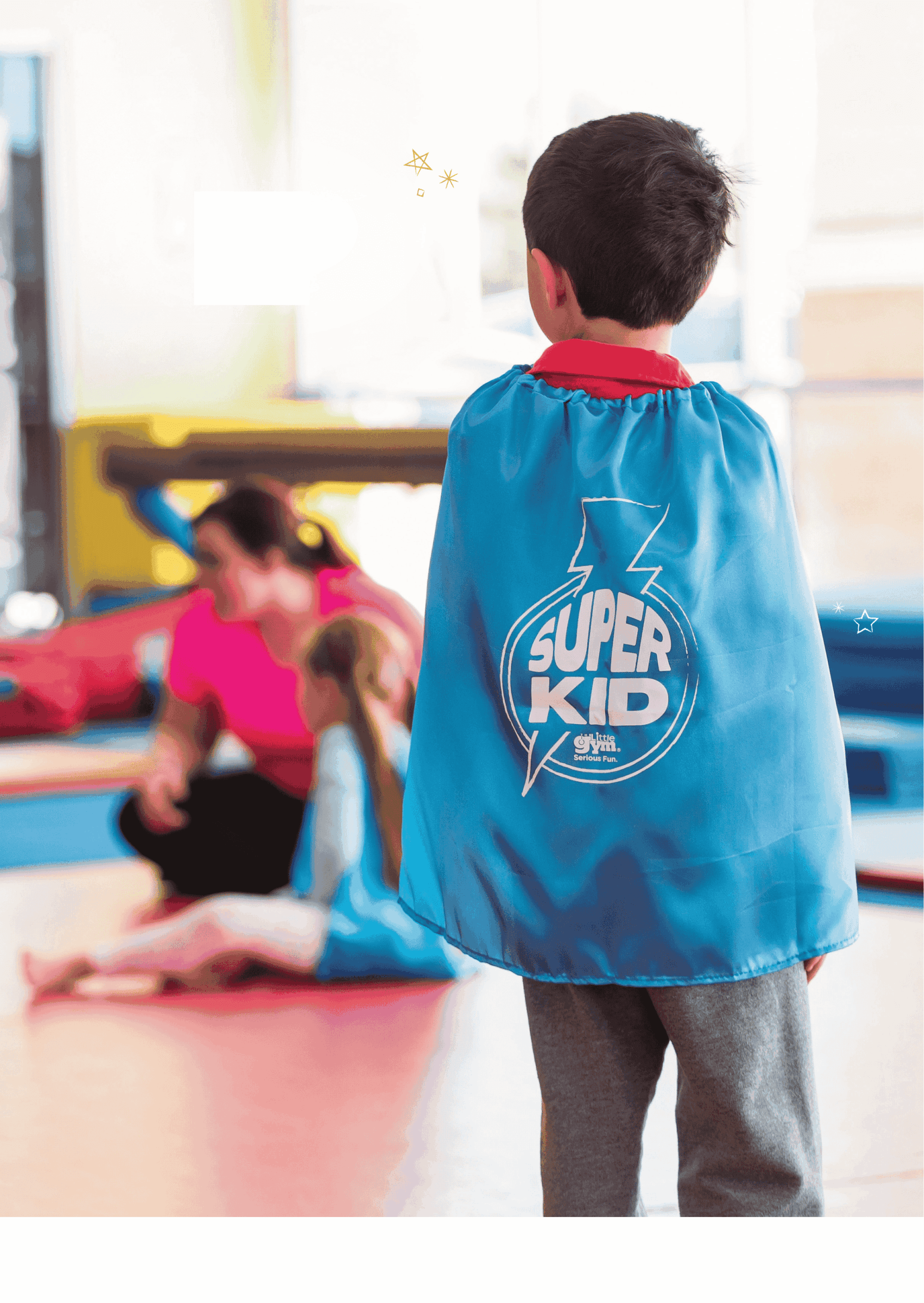
When we picture school readiness, we often imagine children practising letters, counting objects, or learning to write their name. But some of the most important school-ready skills are not academic at all. They are behavioural, social, and emotional. And they are built through something children naturally love: play.
Why structure matters in early childhood
Young children thrive when play and structure work together. Research shows that guided, active play supports not only physical development but also the social and behavioural skills children need for learning. Predictable routines help children feel secure, while structured play strengthens the executive function skills that underpin school success.
When children experience a familiar rhythm in their activities, knowing what to expect, when to listen, and how to move from one thing to the next, that sense of predictability becomes second nature. And that is exactly what helps school feel less overwhelming when the time comes.
Listening and following instructions
One of the biggest shifts children face when starting school is being asked to listen carefully and respond to instructions in a group setting. This is a skill that develops gradually and needs practice. Children who have had regular opportunities to focus, wait their turn, and respond to verbal cues are much better equipped for the classroom. The good news is that these skills can be practised naturally through play, without children even realising they are learning.
Taking turns and cooperating
Group play offers some of the richest opportunities for social development. Sharing, taking turns, working alongside others, and encouraging a friend are all experiences that build empathy, patience, and the ability to collaborate. These are the qualities that help children form positive relationships with both peers and teachers, and they matter just as much as any academic skill.
Moving smoothly between activities
Transitions are a surprisingly big part of school life, and they can be genuinely challenging for young children. Learning to let go of one activity and shift attention to the next, following a sequence, and managing emotions during change are all skills that develop with practice. Children who have experienced consistent, gentle routines in their play tend to find these transitions much easier to handle.
Building independence alongside confidence
Children also need freedom within structure. When they are given space to choose activities, try new things, and take safe risks, they develop confidence, curiosity, and the ability to direct their own learning. This balance of support and independence closely mirrors what is expected in the early school years, where children are encouraged to explore while gradually taking more responsibility for themselves.
What this means for parents
School readiness is not something that happens overnight, and it is not simply about academics. It is about helping children feel comfortable in structured environments, confident in group settings, and ready to try new things even when they feel uncertain.
The most powerful thing parents can do is create opportunities for purposeful, active play. Whether that is through organised activities, outdoor exploration, or simply playing alongside other children regularly, these experiences lay the groundwork for everything that follows.
When children have had the chance to practise listening, cooperating, transitioning, and trying, school does not feel like a leap into the unknown.
It feels like the next natural step.